


In a fresh diplomatic flashpoint, China has once again asserted that Arunachal Pradesh is its territory, prompting a sharp and categorical response from New Delhi. Beijing’s latest remarks emerged after an Arunachal Pradesh woman, travelling through Shanghai’s Pudong Airport, was detained and told that her Indian passport was “invalid” because her birthplace lay in a region China claims as “South Tibet.” The episode triggered strong protests from India, which termed the detention unwarranted and violative of international transit norms.
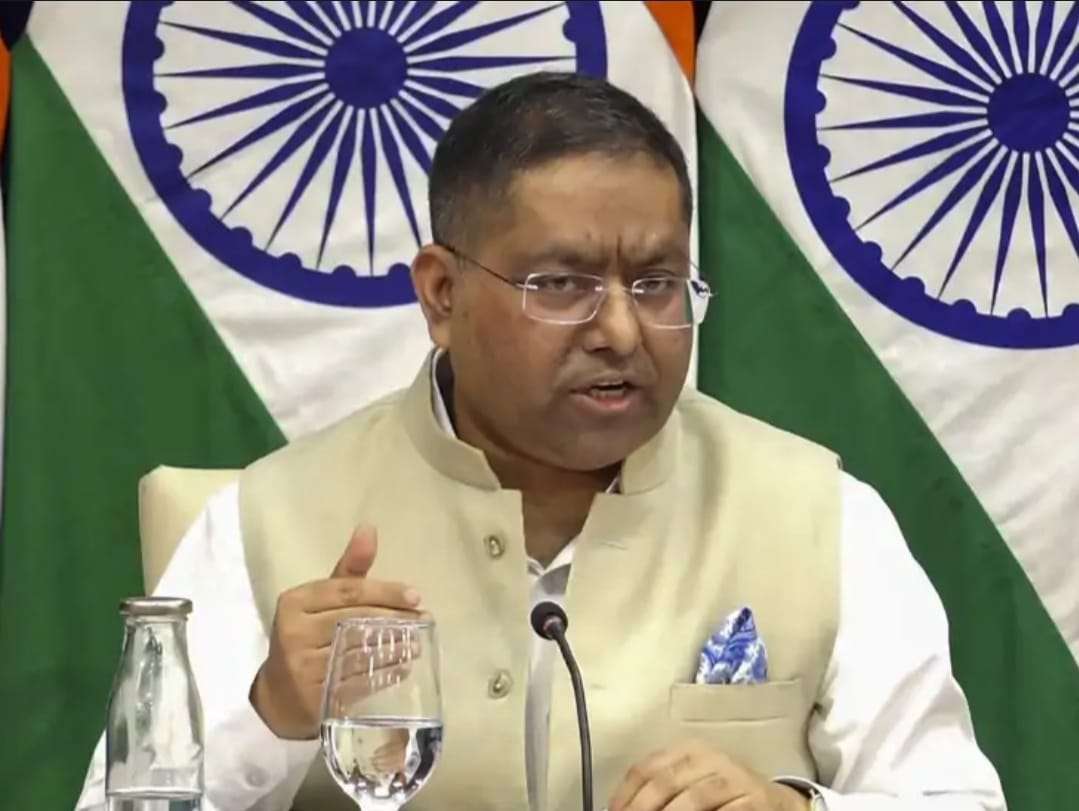
The Ministry of External Affairs, rejecting China’s assertions as “baseless” and “unacceptable,” reiterated that Arunachal Pradesh is an integral and inalienable part of India. The MEA made it clear that no amount of repetition, denial, or political rhetoric by Beijing can alter historical facts, democratic governance, or ground reality in the northeastern state. India noted that the attempt to question the identity of an Indian citizen on foreign soil represented an overreach and an infringement of sovereign rights.
Officials in New Delhi also underscored that China’s persistent territorial claims are part of a pattern aimed at manufacturing disputes where none exist. India has maintained that the people of Arunachal Pradesh participate freely in the country’s political, administrative, and developmental processes, reinforcing their unequivocal place within the Union. By sending a formal demarche to Beijing, India signalled that any harassment of its citizens or challenge to its territorial integrity will be met with firm diplomatic resistance.