

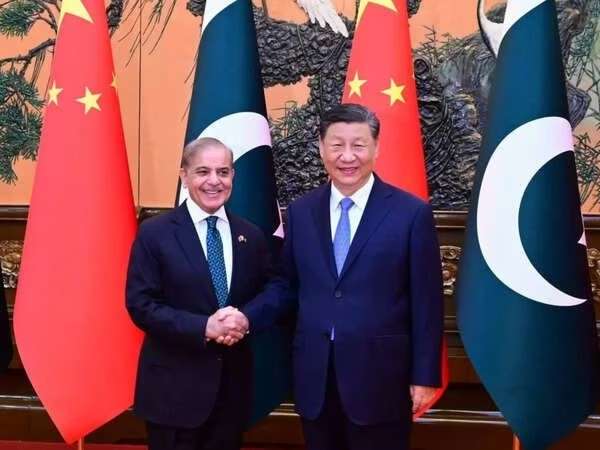
Pakistan has raised diplomatic temperatures by openly endorsing China’s claim over Arunachal Pradesh, calling the Indian state “China’s territory.” The statement marks yet another instance of Islamabad aligning itself with Beijing’s geopolitical priorities, particularly on issues where both seek to challenge India’s regional influence.
The timing of the remark is significant. China has recently intensified its territorial rhetoric issuing new official maps, renaming dozens of locations in Arunachal Pradesh, and reiterating its “South Tibet” narrative. Pakistan’s endorsement amplifies Beijing’s messaging, signalling a coordinated strategic posture that extends beyond bilateral ties into broader regional contestation.
India rejected Pakistan’s comments outright, asserting that Arunachal Pradesh is an integral and inalienable part of the country, a position backed by constitutional, historical, and administrative realities. New Delhi emphasised that Pakistan has “no locus standi” to comment on India’s internal matters, especially given its own credibility challenges on issues of sovereignty and governance.
Strategically, Pakistan’s statement serves multiple purposes: reinforcing its partnership with China, provoking India diplomatically, and positioning itself within a trilateral dynamic where Beijing drives the narrative. However, analysts argue that such rhetoric does little to alter ground realities, where India maintains full administrative control over Arunachal Pradesh. The episode underscores how territorial disputes in Asia increasingly intersect with political signalling, alliance politics, and strategic competition, rather than purely cartographic disagreements.
